Start with a plain-language promise
A newsletter signup box should not leave people guessing. Before you collect an email address, explain what type of messages they will receive, how often you will send them, and whether the messages are promotional, educational or a mix of both. A short sentence next to the form is usually enough if it is written in clear language.
Many businesses in Cape Town and across the country lose trust by hiding the detail in a long privacy page that nobody reads at the point of signup. The better approach is to tell people up front, in the form itself or right next to it. If they are signing up for monthly offers, say so. If they will get service updates, product news or event notices, say that too.
- What they will receive
- How often they will receive it
- Whether the content is promotional, informational or both
- How they can stop the messages later
Keep the wording simple. A person in Sea Point or Stellenbosch should understand it in one quick read, without needing legal training or a long call back to your team.
Make consent active, not assumed
Newsletter signups should use an active opt-in. That means the person must take a clear step, such as ticking a box themselves, instead of being added automatically because they bought something or filled in a contact form. Pre-ticked boxes cause problems because they blur the line between interest and real consent.
If your business runs online orders, booking forms or enquiry pages, separate the newsletter choice from the main transaction. A customer can ask for a quote without wanting marketing messages. The same applies to event registrations, downloads and free resources. Do not bundle everything into one hidden agreement.
For larger organisations, it helps to keep records of when and where consent was given. This is especially useful when a customer later asks why they are on your list. If the signup happened through a mobile form during a busy campaign, you need to be able to show what was presented at the time.
- Use a blank tick box for marketing consent
- Keep the newsletter choice separate from service terms
- Record the date, source and wording shown at signup
- Avoid vague phrases like “stay in touch” if you really mean marketing messages
Tell people what you will do with their details
People want to know how their email address will be used. Some businesses only send a newsletter. Others add the contact to a CRM system, segment the list by interest, or link it to a customer account. If you use a mailing platform or third-party service, say so in your privacy notice.
You do not need to overload the signup page with every detail, but you do need to cover the main points. Explain whether the email address will be used only for newsletters, whether you might send related offers, and whether any data is shared with service providers who help with sending or storing the messages. This is basic transparency, and it matters just as much for a Claremont studio as it does for a national ecommerce store.
If you collect names, location or preferences along with the email address, say why. A list of people in Bellville may be used for local events, while a national list may be used for general updates. Tell people if their information is used to personalise content or segment campaigns.
Explain unsubscribe rights in the same place
Every signup should make it easy for people to leave later. Do not hide the unsubscribe process or make it depend on logging in, phoning someone or waiting for a reply. The simplest approach is a clear unsubscribe link in every message, plus a short note near the form that people can opt out at any time.
This matters because many businesses focus only on the signup moment and ignore the exit route. That creates frustration, and it can lead to complaints. In practice, a good newsletter system should let people unsubscribe without delay and without extra steps that feel like pressure.
A practical example: a family-owned décor shop in Gardens runs a monthly message list for product news and sale dates. Its signup form says subscribers will get one newsletter a month, occasional sale notices, and can unsubscribe any time using the link in each message. That level of clarity is enough to set expectations before the first message arrives.
- Show the unsubscribe option in every message
- Do not charge a fee for leaving the list
- Do not require a call or long form to opt out
- Remove the address promptly once the request is made
Watch the wording on giveaways and lead magnets
Many businesses collect newsletter signups through competitions, downloads or discount offers. That can work well, but the wording must be careful. If someone signs up to get a checklist, they should know whether the signup also means joining your marketing list. If you want both, say so clearly. If they are entering a competition, explain whether future promotional messages will follow after the prize draw.
People should not feel tricked into the list. If a signup page offers a free guide, and the fine print hides the fact that the person will receive weekly promotions, that is a poor practice. It may also create complaints later, especially if the messages are sent at a higher frequency than expected.
Keep your offer honest and direct. Say what the person gets now, what happens after signup, and whether their details will be used for anything else. If your business has branches in Cape Town CBD, Paarl or elsewhere, you can still keep the same core wording and adjust the local details where needed.
Review the signup flow before you launch
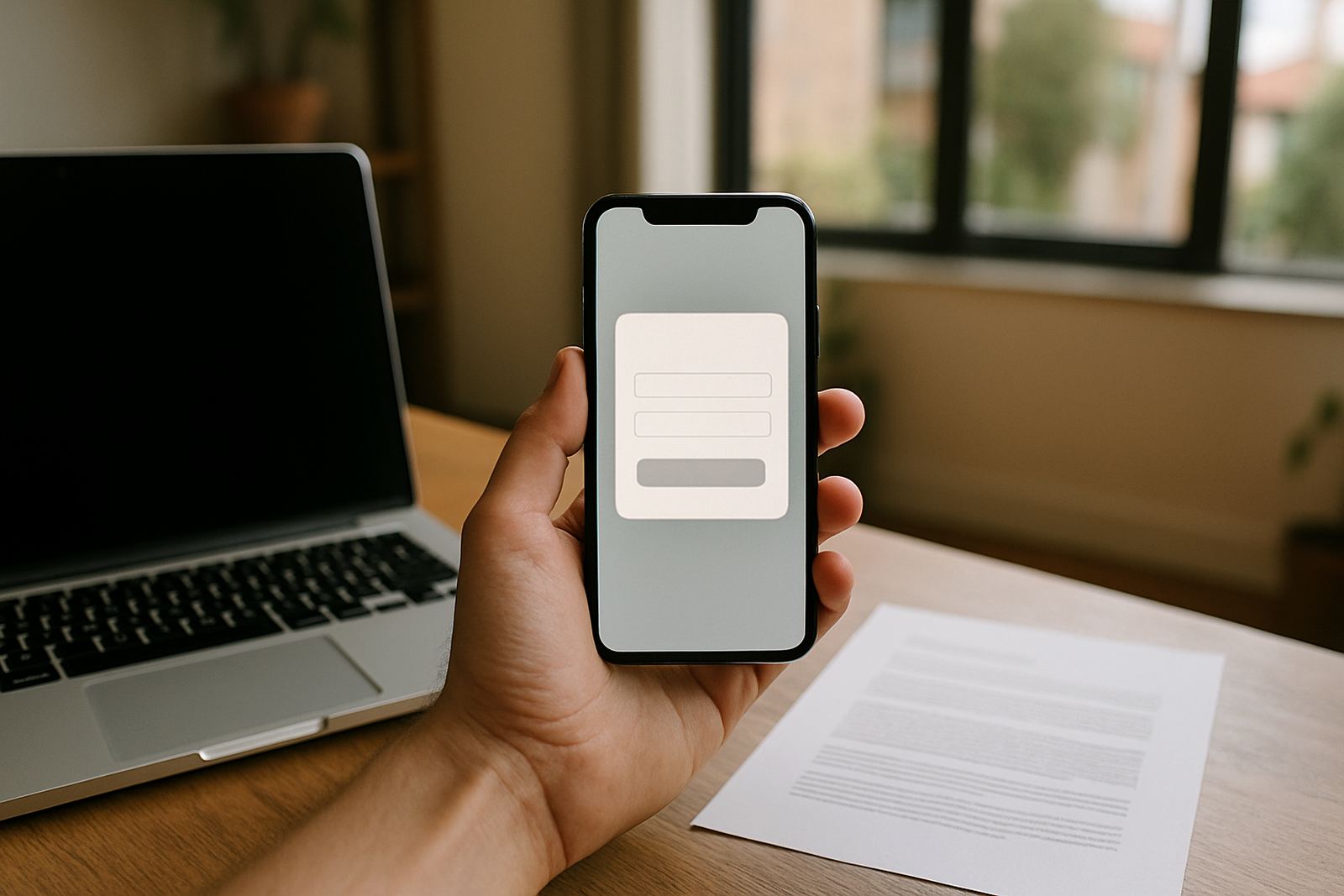
Before you send people to a live form, test the full process from first click to confirmation message. Check that the wording is readable on mobile, that the tick boxes work properly, and that the confirmation message repeats the important points. A lot of signups happen on phones while people are commuting, waiting in a queue, or dealing with load-shedding interruptions, so the form must be easy to complete quickly.
Look at the following points before launch:
- Does the form say what the newsletter is about?
- Is consent collected through a clear action?
- Is the privacy notice linked nearby?
- Does the confirmation message restate the purpose of the list?
- Can the person unsubscribe without effort?
Once the flow is live, review it regularly. If your business changes its content plan, adds new product lines or starts sending more frequent updates, the signup wording should change too. A policy that made sense last year may not match what you are doing now.